Fortell venner om denne varen:
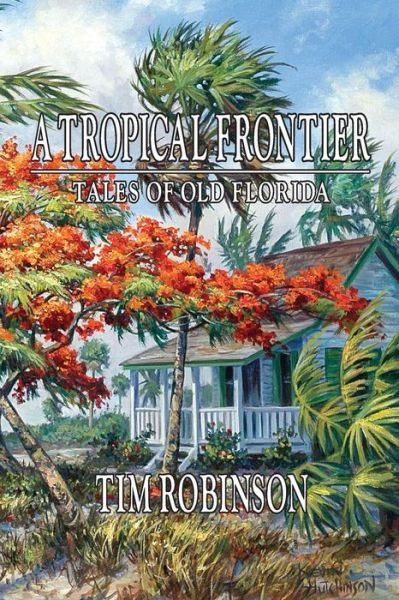
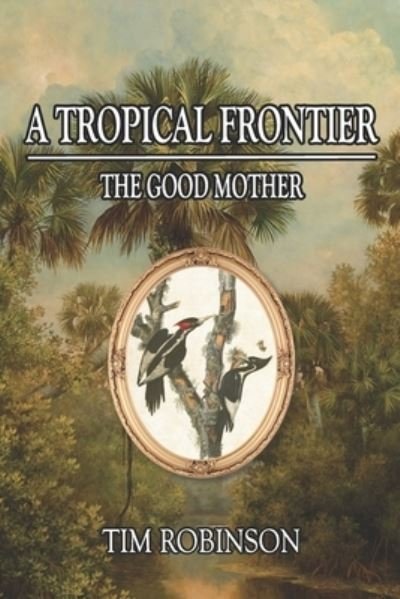
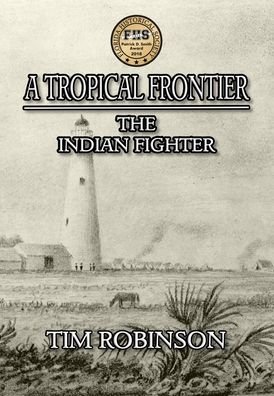
A Tropical Frontier Tim Robinson
Bestillingsvarer


Finnes også som:
- Pocketbok (2017) NOK 209
- Pocketbok (2016) NOK 219
- Pocketbok (2017) NOK 219
- Pocketbok (2018) NOK 219
- Pocketbok (2015) NOK 249
- Pocketbok (2018) NOK 249
- Innbunden bok (2020) NOK 259
- Pocketbok (2020) NOK 259
- Pocketbok (2020) NOK 259
- Pocketbok (2017) NOK 269
- Pocketbok (2019) NOK 269
- Pocketbok (2021) NOK 269
- Innbunden bok (2021) NOK 279
- Innbunden bok (2021) NOK 309
- Innbunden bok (2020) NOK 319
- Innbunden bok (2020) NOK 339
- Innbunden bok (2020) NOK 359
- Innbunden bok (2020) NOK 369
- Innbunden bok (2021) NOK 369
- Innbunden bok (2020) NOK 369
- Innbunden bok (2021) NOK 379
- Innbunden bok (2021) NOK 389
- Innbunden bok (2020) NOK 389
- Innbunden bok (2022) NOK 399
A Tropical Frontier
Tim Robinson
What does one do when ingrained bigotries and institutionalized biases seem insurmountable? And opportunity is scarce or non-existent? What would one imbued with boundless hope and unbridled dreams do? For Jubal and Evie Prescott, there was but one answer: to find a new land and create their own opportunities. Indeed, to confront their own destiny.
In war people die, and they kill. The Second Seminole War would be the longest and most costly of all Indian conflicts in the United States in both lives and national treasure. In 1842, Colonel William J. Worth, commander of the Florida Campaign, declared hostilities at an end. Although as many as 3,000 Seminole and Miccosukee had been relocated to the Oklahoma Territory, several enclaves remained in the extreme southern portions of the peninsula at Big Cypress, Fisheating Creek, Catfish Lake, and New River. A census taken three years later accounted for 120 warriors, (70 Seminoles, 30 Miccosukee, 12 Creek, 4 Uchee, and 4 Choctaw), 100 women, and 140 children - a total of 360 souls. The Florida Indians had prevailed, and old Sam Jones would fulfill his vow to die in the land of his birth.